Description
Module 1: Scrummaging The Hooker is a pivotal position in Rugby Union that combines brute strength with technical finesse. This module explores the scrummaging techniques, strategies, and nuances that enable Hookers to dominate at the set-piece through specialist binding, anchoring the pivot point, and exerting control over the opposition.
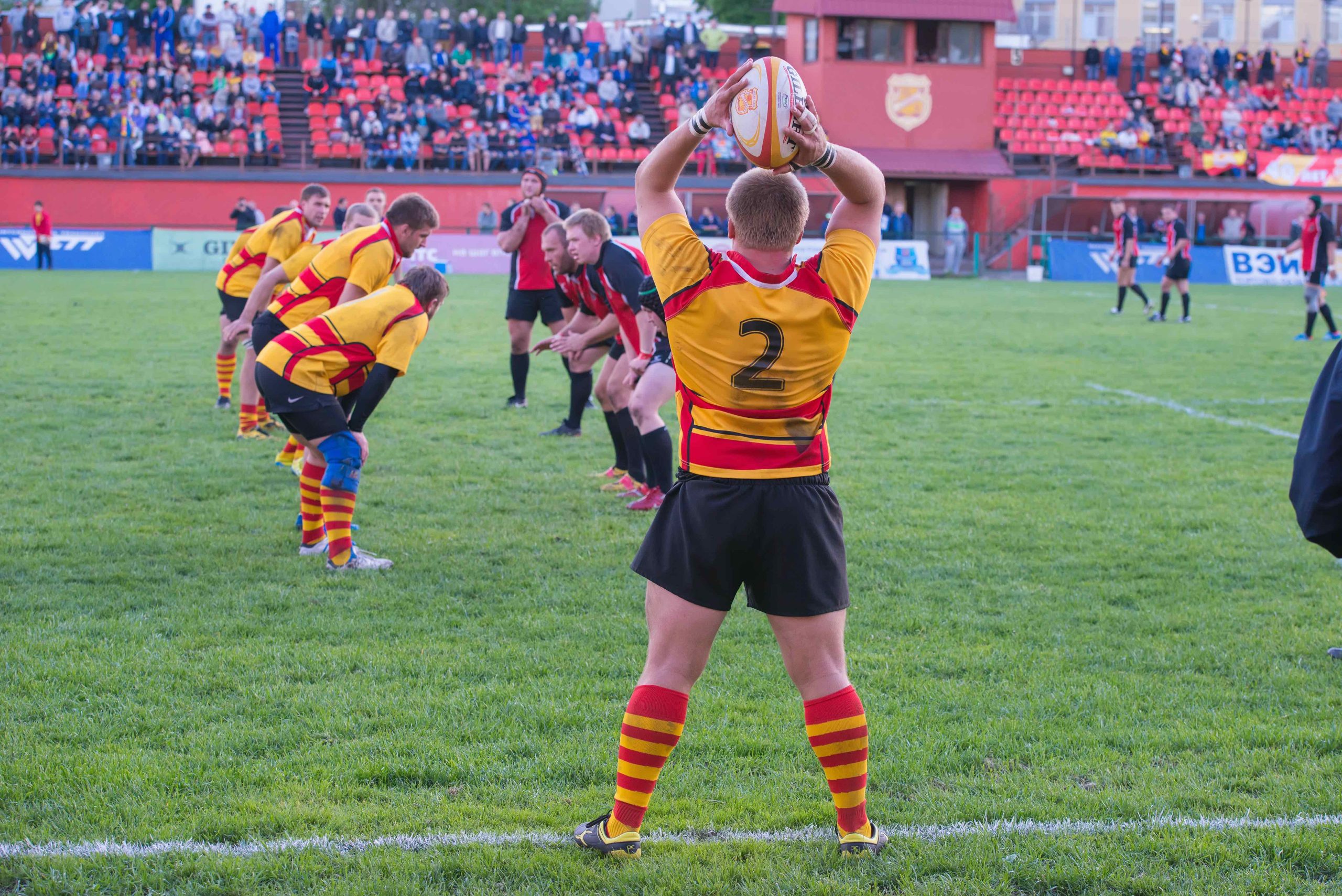
Module 2: Lineout The Hooker serves as the primary thrower at the lineout, responsible for delivering the ball accurately to jumpers at the precise moment they reach maximum height. This module examines the essential throwing skills, communication techniques, and tactical awareness required to maintain possession and create attacking opportunities.
Module 3: Open Play Modern Hookers must be mobile, versatile athletes capable of supporting play across the entire width of the field, not just in tight forward channels. This module challenges traditional thinking about the front row’s role, exploring how Hookers can create attacking mismatches and provide crucial support in wide positions.
Module 4: The Dark Arts The modern scrum operates on seven interconnected triangles that transform eight forwards into a unified force generating approximately 900 kilograms of pushing power. This module covers the tactical gamesmanship, technical tricks, and geometric principles used to disrupt opponents and dominate at the scrum.
Module 5: Conditioning Advances in biomechanics and movement science have transformed how Hookers prepare their bodies for the substantial forces encountered during match situations. This module examines innovative, scientifically based training methods designed to meet the physical demands of the position in modern rugby.
Module 6: Nutrition The Hooker position demands extraordinary energy to fuel the anaerobic power needed for set-pieces and the aerobic capacity required for sustained match performance. This module provides evidence-based nutritional guidance, including the 3,000 to 6,500 daily caloric requirements needed to support training, competition, and recovery.